
Leveraging two distinctive platforms — AUC analytical ultracentrifugation and Stunner microfluidic multi-function analysis — Zencore provides label-free, ultra-low-sample-volume, high-precision biologics analysis services.
Back to Analytical ServicesZencore has officially launched AUC technical services, making this the first analytical ultracentrifuge in China's biopharmaceutical industry dedicated to providing technical services. The AUC team's chief scientist has years of experience as an AUC technical lead at leading international pharmaceutical companies.
AUC is an analytical ultracentrifuge equipped with an optical detection system that tracks solute migration during centrifugation. Under centrifugal force, solute moves in the direction of that force, forming a solvent/solute boundary whose shape and migration rate depend on the solute's molecular weight, shape and self-association behavior, as well as solvent density and viscosity. By recording changes in the boundary (absorbance or interference optics), the optical system can determine protein molecular weight, sedimentation coefficient and the content of monomers, aggregates and fragments — this is velocity sedimentation. When centrifugal force and diffusion reach equilibrium to form a stable boundary, analysis of the boundary profile also yields molecular weight, diffusion coefficient and reversible self-association characteristics — this is equilibrium sedimentation.
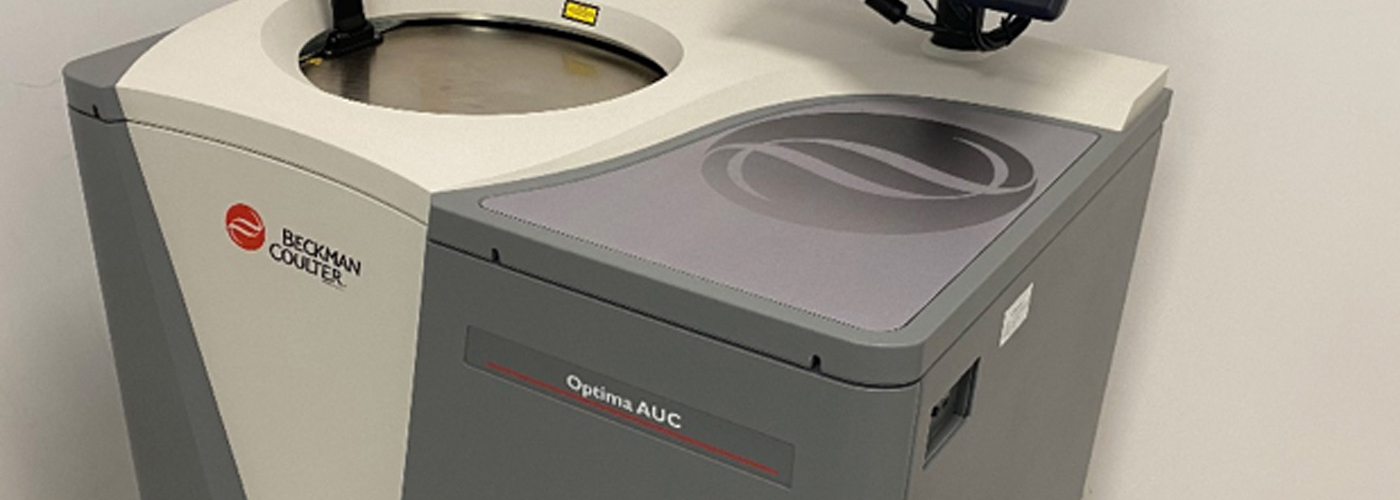
Compared with SDS-PAGE and mass spectrometry, AUC analyzes drug proteins in their native state without disrupting native conformation, requires neither labels nor standards, and allows samples to be recovered and reused. Compared with SEC, AUC is performed in solution and requires no stationary-phase medium, avoiding molecular weight estimation bias caused by protein-medium interactions and the over- or underestimation of aggregate/fragment content. The FDA therefore recommends that SEC results at the BLA filing stage be supported by an orthogonal method — and AUC is the ideal choice.
Zencore's AUC system is equipped with both UV and interference detectors, and its temperature control system maintains analysis temperatures stably between 4 °C and 40 °C, with up to 7 samples analyzed simultaneously. The following technical services are available:
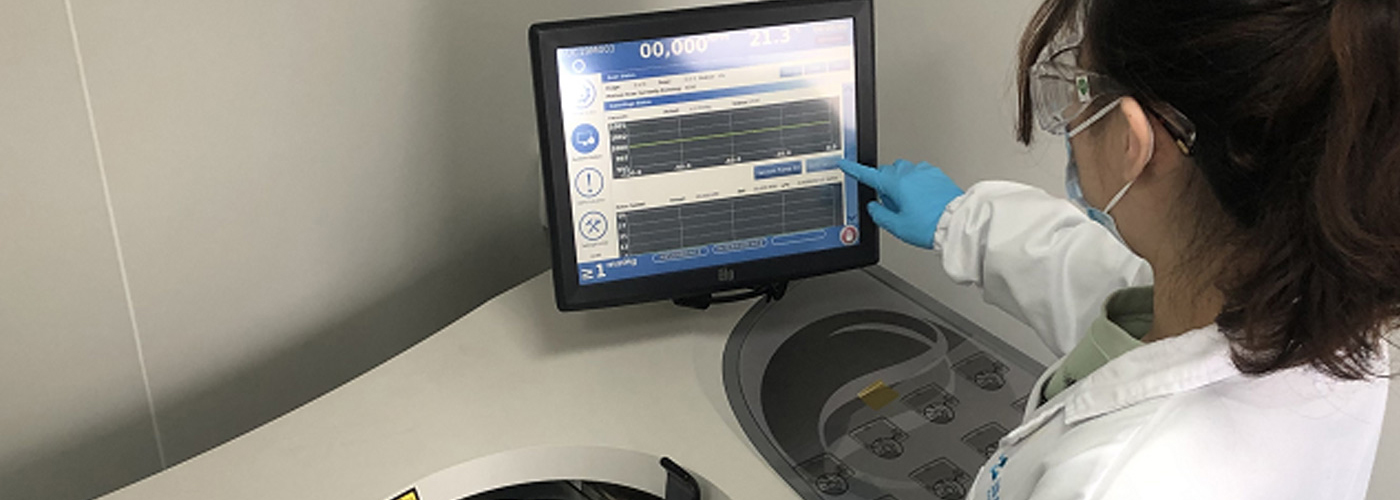
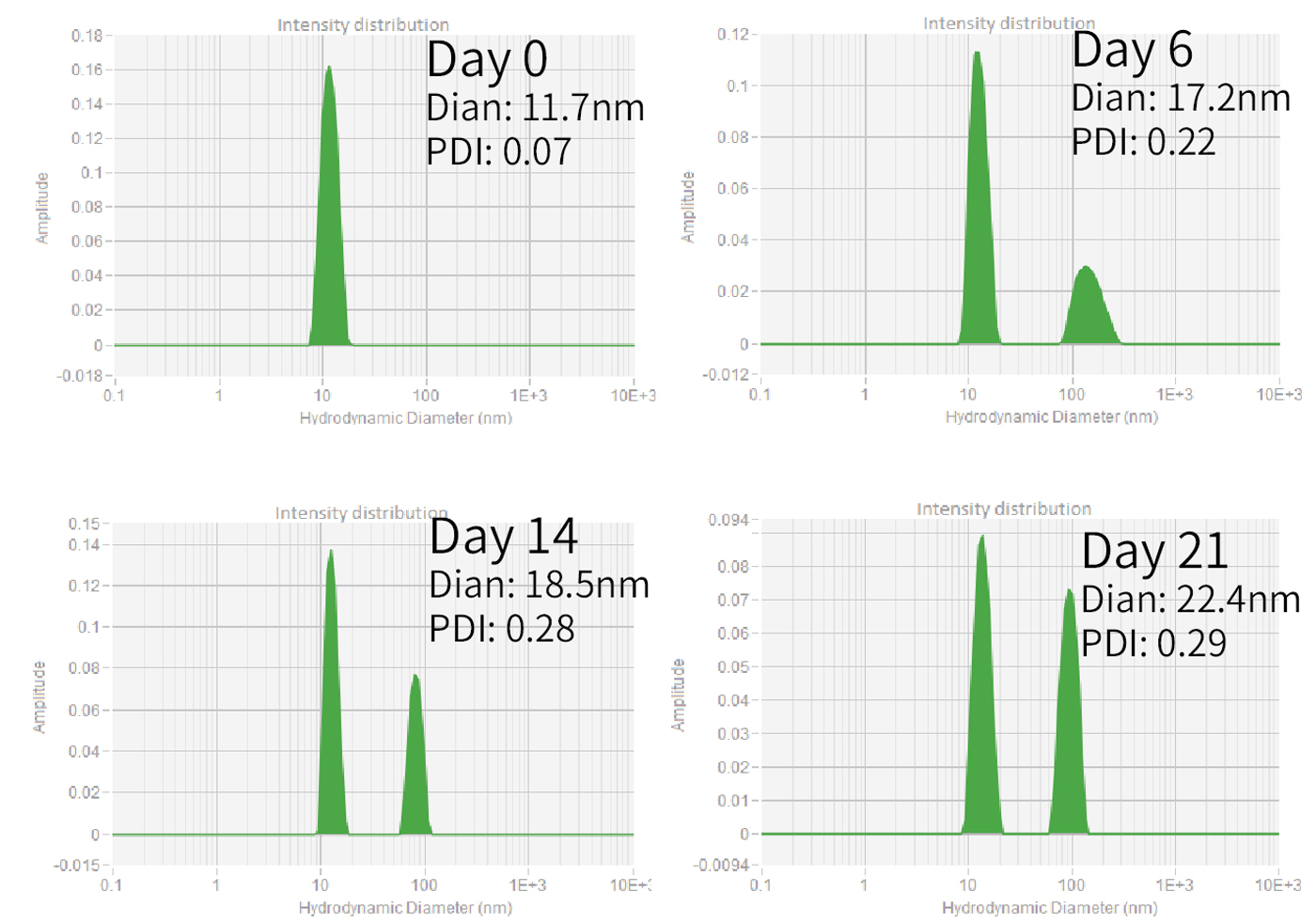
Stunner integrates three detection modules — UV/Vis, DLS and SLS — and uses microfluidic chip technology: a single measurement requires only 2 µL of sample to obtain concentration, particle size, polydispersity and aggregation data. It is widely used across biopharmaceutical fields including AAV, antibodies, ADCs and mRNA.
Uses 96-channel microfluidic plates to avoid sample cross-contamination and operator-induced measurement error, obtaining concentration, particle size, polydispersity and aggregation data in a single measurement.
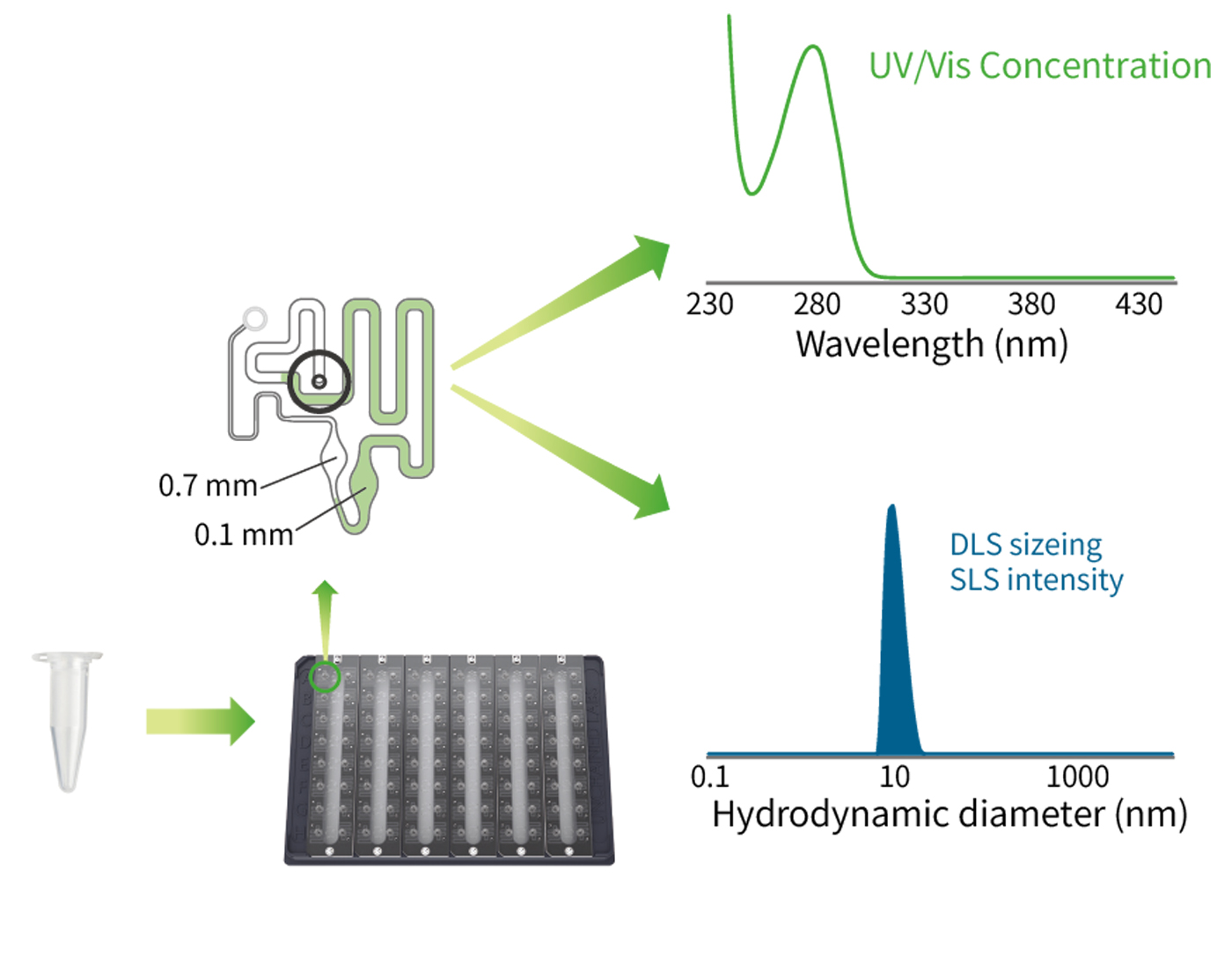
Samples are scarce during early screening, and Stunner requires only 2 µL per measurement, so developability assessment can be completed with minimal sample, saving time and cost. With a dynamic range of 0.03–275 mg/mL, developability assessment of high-concentration formulations is equally straightforward.
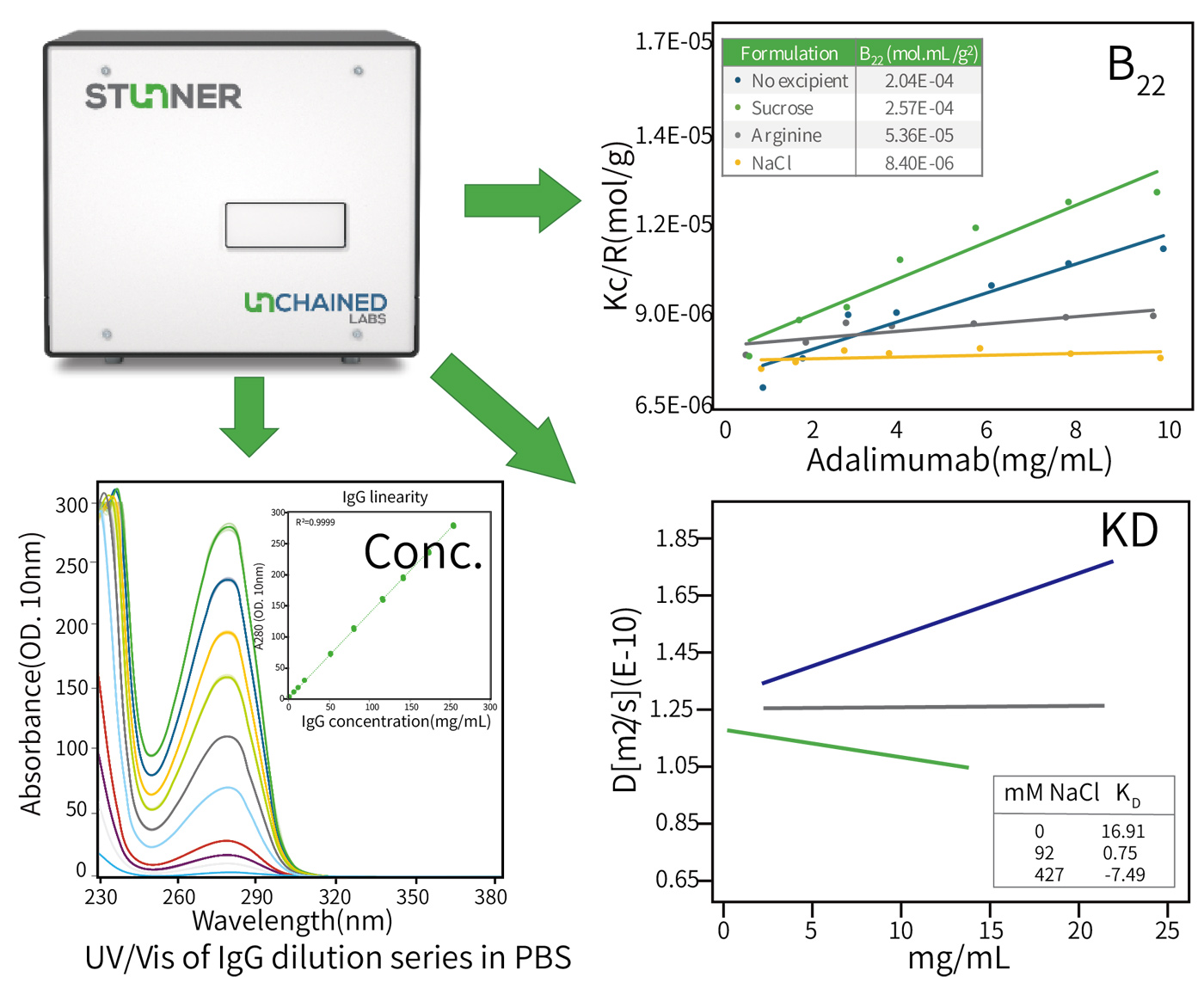
While measuring DLS, Stunner also provides real-time, precise protein concentration, readily yielding the diffusion interaction parameter (kD) and second virial coefficient (B22) to predict the aggregation propensity and long-term stability of antibodies/ADCs and other proteins in buffer. With minimal sample consumption and fast measurement, it enables rapid, low-cost identification of optimal formulations.
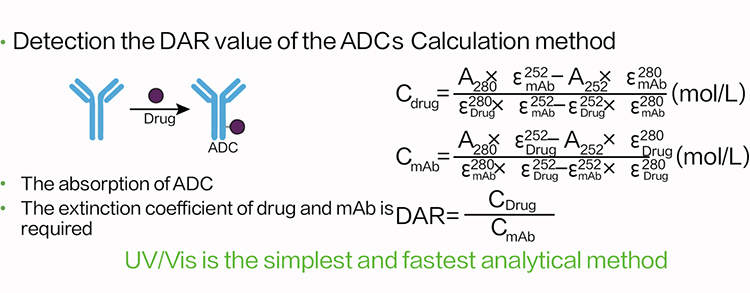
The Unmix algorithm deconvolutes absorption curves to quantify antibody and conjugated drug separately, enabling rapid determination of DAR values for ADC samples. This supports rapid screening and reaction monitoring in early ADC research, accelerating ADC development.
Stunner verifies instrument performance using independently certified NIST standards, meeting USP and Ph. Eur. requirements for UV/Vis quantitative instruments in terms of absorbance, accuracy, precision, linearity, wavelength accuracy, stray light and resolution. The software complies with 21 CFR Part 11, with full data traceability.
AUC analytical ultracentrifugation · Stunner microfluidic multi-function analysis platform.
Inquire now