
The core members of Zencore's downstream process development team have more than a decade of deep expertise in this field and have accumulated invaluable experience. Years of hands-on refinement have produced a mature protein purification and process development platform, delivering stable, reliable, high-quality service to clients.
Supporting a range of process R&D activities, such as chromatography process development and optimization, microfiltration or ultrafiltration process development, viral clearance process development.
Average completion within 1.5 months, as fast as 1 month.
Monoclonal antibodies average 70%, reaching as high as 80%, with process- and product-related impurity levels significantly below specification limits.
Broadly covering most protein drugs in the biopharmaceutical industry, including monoclonal antibodies, bispecific antibodies, recombinant proteins, fusion proteins and cytokines, all with extensive project experience (200+).
Zencore provides preclinical process development and IND filing, early clinical sample manufacturing, late-stage clinical process validation, risk control and assessment, and process characterization, as well as assisting clients in completing NDA/BLA filings.
Gaining product knowledge through in-depth understanding of client products to ensure quality attributes remain within a controlled range after process scale-up.
Gaining the relevant product knowledge and completing risk assessment for product development
›Defining critical quality attributes (CQAs) and critical process parameters (CPPs)
›Formulating a series of experimental protocols to establish the process design space
›Confirming the operating range of critical process parameters through experiments and risk assessment
›Ensuring product quality attributes remain within a controlled range after process scale-up
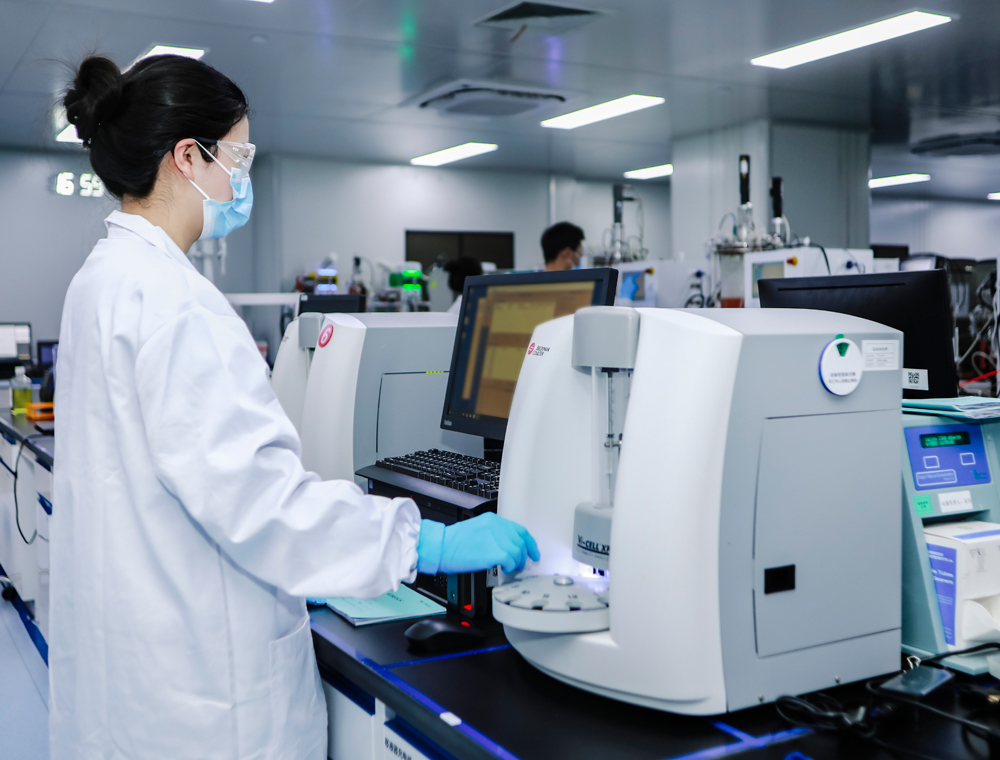
A complete downstream purification route from harvest clarification to final filtration.

Purification strategy design and parameter optimization that solved three representative challenges.
In an mAb project, the upstream expression product had high aggregate content. Cation exchange chromatography separated aggregates poorly and suffered from self-aggregation, failing to meet target purity with low yield (approximately 70%).
Based on the team's extensive project experience and deep command of downstream purification techniques, Zencore rapidly screened hydrophobic resins, optimizing flow-through hydrophobic chromatography conditions to achieve optimal aggregate removal.
Flow-through hydrophobic chromatography effectively removes aggregates even at higher loading capacities than cation exchange chromatography. The purified sample achieved SEC purity >99% and chromatography yield up to 90%; the flow-through process offers advantages in manufacturing convenience and cost-effectiveness.
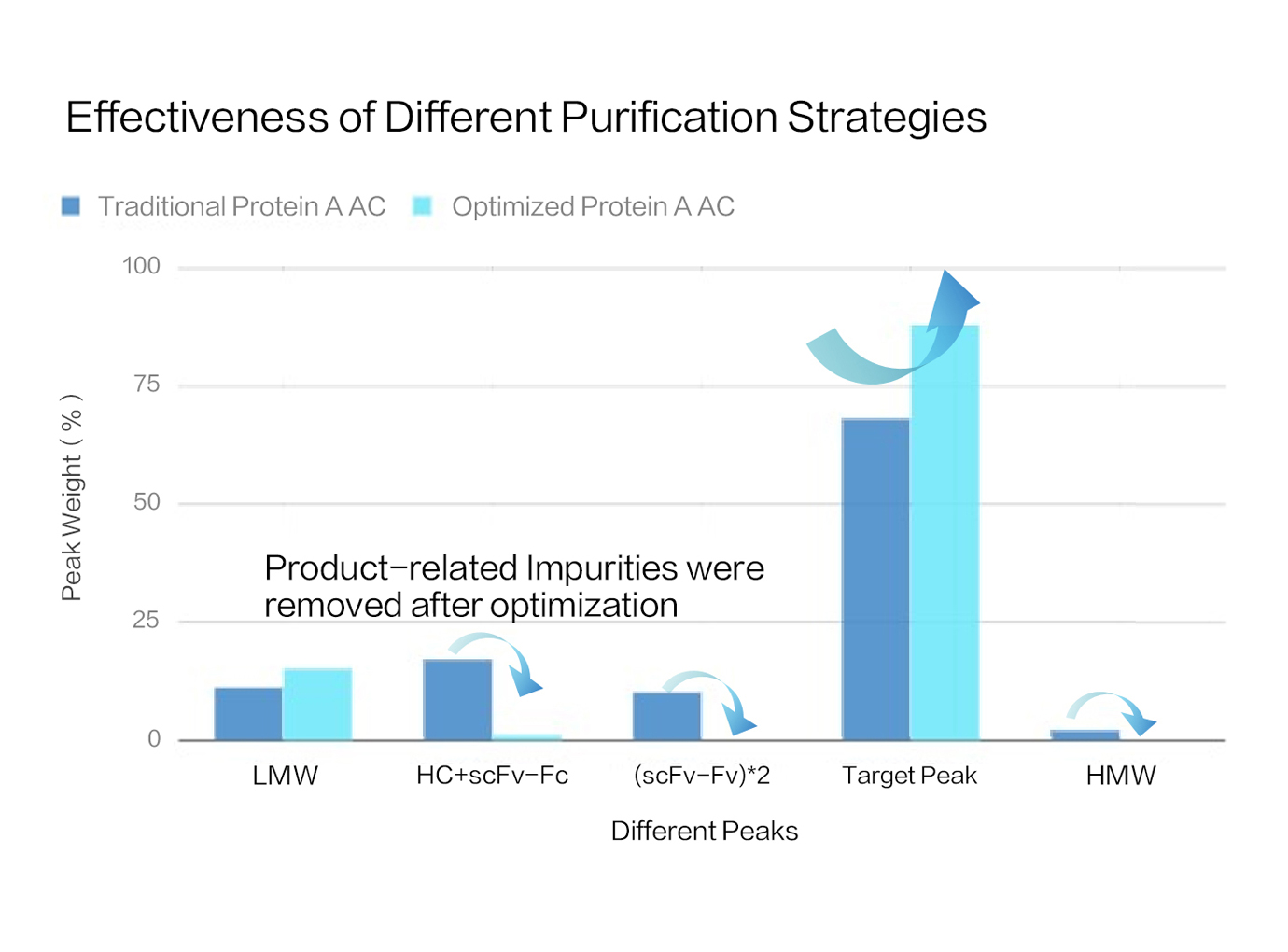
In a bispecific antibody project, the upstream expression product had low purity, with considerable low-molecular-weight impurities (HC+scFv-Fc) and homodimers (scFv-Fc)*2. Because these impurities resemble the target molecule in charge and hydrophobicity, they are difficult to separate by polishing methods such as ion exchange, hydrophobic or mixed-mode chromatography.
Based on the bispecific antibody's molecular structure, Zencore exploited differences in affinity of Protein A resins for the target molecule versus impurity molecules, screening affinity resins and optimizing elution conditions to separate and remove (HC+scFv-Fc) and homodimers (scFv-Fc)*2.
Zencore obtained isocratic elution conditions for affinity chromatography, achieving complete removal of two types of product-related impurities, with NR-CE purity increased from 70% to 90%; and at 200 L scale, production confirmed the robustness and scalability of the process. The affinity capture step's design also removes impurities, greatly reducing the burden on subsequent polishing steps.
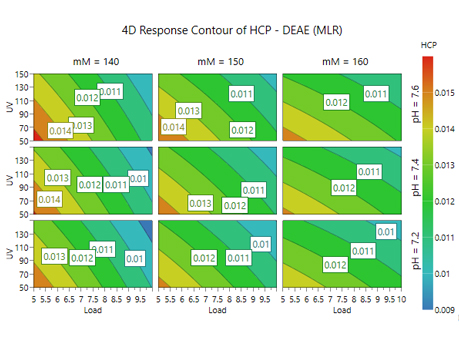
In a recombinant protein project, the downstream purification workflow was complex, early development data were limited, and understanding of how each step's process parameters affect product quality attributes was incomplete.
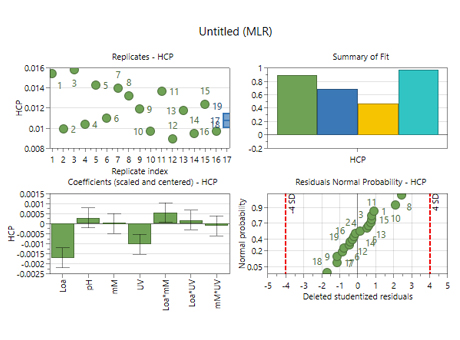
Zencore established scale-down models for each step and conducted preliminary experimental studies based on the team's extensive theoretical and development experience; the team then analyzed preliminary results, performed risk assessment in combination with earlier development and production batch data, and formulated the process characterization study plan.
Preliminary experiment analysis deepens process understanding, supports sound risk assessment scoring and characterization DoE design, and accelerates process characterization progress. Through DoE experiments and data analysis, Zencore established the design space for process parameters at each step, and worst-case step linkage experiments verified it.
A dual-track equipment platform for chromatography and tangential flow filtration, supporting process development through scale-up validation.
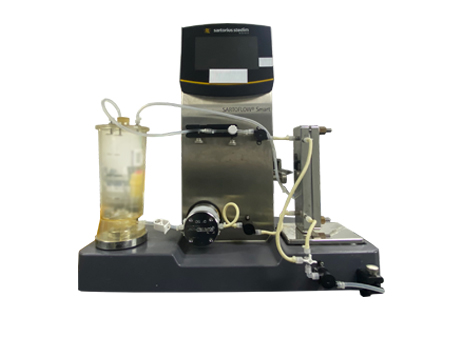
An automated tangential flow filtration system for ultrafiltration/diafiltration process development and scale-up
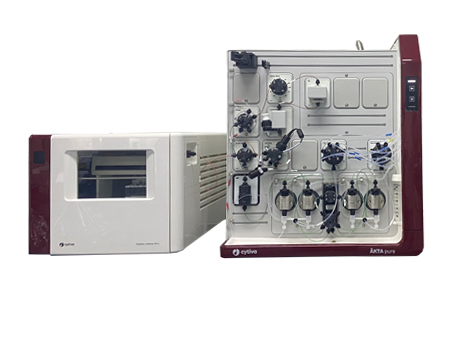
Chromatography systems for capture and polishing process development and optimization
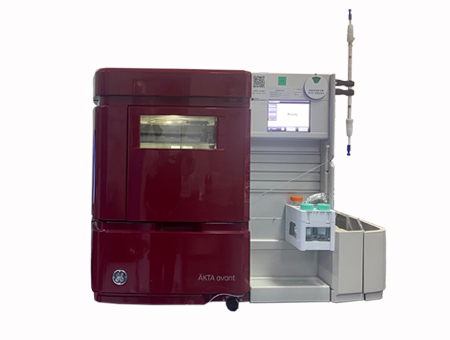
Chromatography systems for high-resolution screening and parallel DoE experiments
From rapid milligram-scale purification to pilot-scale process transfer and characterization, Zencore's downstream platform safeguards your product quality and yield.
Inquire about downstream process development